
Homeowners across Chirawa, Singhana, and the entire Jhunjhunu district are rapidly adopting home solar panel installation as a reliable and cost-effective energy solution.
From villages like Pilani, Surajgarh, Buhana, Nawalgarh, Udaipurwati, Khetri, Mandawa, to smaller rural areas, solar energy is transforming how people generate electricity.
With rising electricity costs and increasing awareness of green energy, solar installation is no longer a luxury—it’s becoming a necessity.
How to install solar panels: Step by step process
While solar panels may look simple once they’re in place, there is a significant amount of planning and implementation that goes into establishing a solar energy system. Improper installation can lead to energy waste, safety concerns, and reduced output. It can also impact solar panel health, thereby reducing the span of your solar setup.
Every step, from understanding your individual energy needs to getting the system up and running, impacts how effectively your solar panels operate. Here’s a clear breakdown of how solar panels are installed, from planning to commissioning:
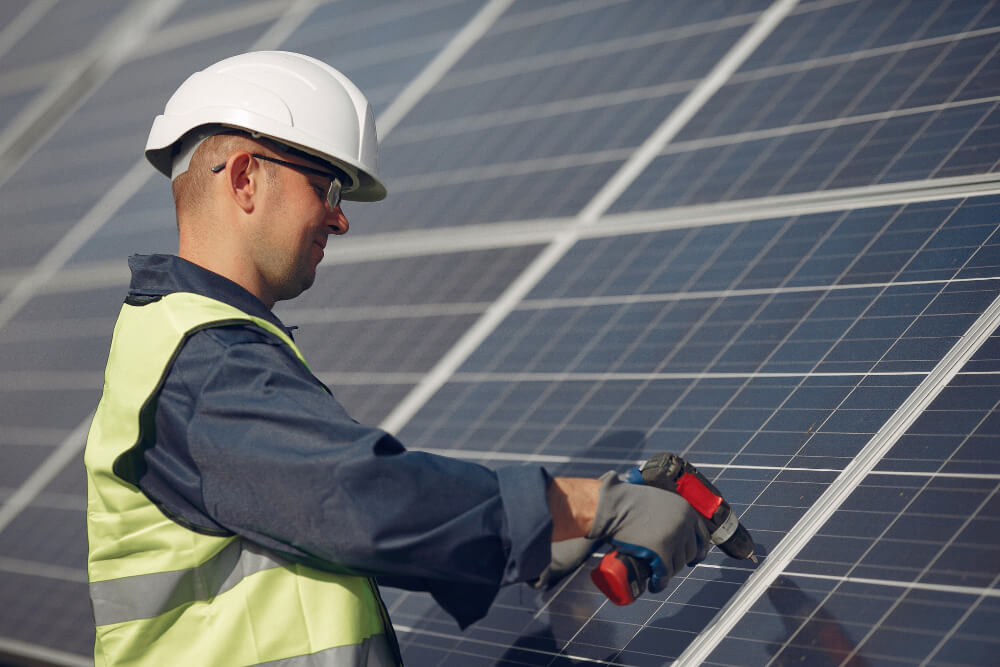
Step 1: Site Assessment and Planning
Every home solar panel installation begins with understanding both your electricity consumption and your roof’s potential. In areas like Chirawa and nearby villages, where sunlight is abundant, solar systems perform very efficiently. A household consuming around 300 units per month generally requires a 2 to 3 kW system, while larger homes using more electricity may need 5 kW or higher.
At the same time, the roof is evaluated for direction, shading, and usable space. A south-facing roof with minimal shadow allows better energy generation, while shaded rooftops in dense village areas may need customized layouts. This combination of energy needs and roof conditions helps determine the ideal system size.
Step 2: Choosing the Right Solar Panel Type
Once the system size is clear, the next step in home solar panel installation is selecting the right type of solar panel. Homes with smaller rooftops in areas like Singhana often prefer monocrystalline panels because they generate more power in less space and perform well even in slightly low-light conditions. On the other hand, larger homes in villages such as Buhana or Surajgarh can opt for polycrystalline panels as a more economical solution.
In some cases, bifacial panels are also used, especially where reflective surfaces can increase power generation. Choosing panels that meet Indian quality standards ensures durability and long-term performance under Rajasthan’s harsh weather conditions.
Step 3: Deciding the Solar System Configuration
Choosing the system type is a crucial part of home solar panel installation because it defines how electricity flows within your setup. In towns like Chirawa where electricity supply is relatively stable, on-grid systems are commonly preferred as they allow excess energy to be exported back to the grid. In contrast, villages that experience frequent outages often benefit from off-grid systems that operate independently using battery storage.
Hybrid systems are becoming increasingly popular across Jhunjhunu district because they offer the best of both worlds by combining grid connectivity with battery backup. This ensures uninterrupted power while also maximizing savings.
Step 4: Approvals and Documentation
Before installation begins, approvals from the local electricity authority are required. This stage of home solar panel installation involves submitting system details, design plans, and applications for grid connection. Government initiatives like PM Surya Ghar are encouraging homeowners across Jhunjhunu villages to adopt solar by offering subsidies and support.
Completing this step properly ensures that the system is compliant with regulations and can operate without any future issues.
Step 5: Installing the Mounting Structure
The installation process then moves to setting up the mounting structure, which acts as the foundation of the entire solar system. During home solar panel installation, this structure is securely fixed to the roof and designed to withstand strong winds and extreme weather conditions common in Rajasthan. The tilt angle and orientation are carefully adjusted so that the panels receive maximum sunlight throughout the year.
Step 6: Mounting the Solar Panels
After the structure is ready, solar panels are mounted and firmly secured. Proper spacing between panels is maintained to allow airflow, which helps keep temperatures under control and improves efficiency. This stage of home solar panel installation plays a significant role in ensuring long-term performance and stability.
Step 7: Wiring and Electrical Connections
Once the panels are installed, they are connected to form a complete solar array. The wiring is carefully routed using protective conduits to ensure safety and durability. This step connects the energy generated on the rooftop to the inverter and the rest of the system, forming the backbone of the home solar panel installation setup.
Step 8: Inverter and Battery Installation
An inverter is installed to convert the electricity generated by the panels into usable power for the home. In areas where power cuts are frequent, especially in rural Jhunjhunu villages, battery storage is often added to store excess energy. This ensures that electricity is available even during outages, making the home solar panel installation more reliable.
Step 9: Grid Connection and Net Metering
For grid-connected systems, the solar setup is linked to the local electricity network. A net meter is installed to track both the electricity consumed and the surplus energy sent back to the grid. During the day, the home primarily uses solar power, and any extra electricity is exported. At night, power is drawn from the grid as usual, creating a balanced and efficient energy system.
Step 10: Testing and Commissioning
The final stage of home solar panel installation involves testing the entire system to ensure everything is functioning correctly. Once inspections are completed and approvals are granted, the system is switched on. From that moment, the home starts generating its own electricity and reducing dependence on traditional power sources.
Conclusion
From Chirawa to Singhana and across every village in Jhunjhunu district, solar energy is becoming a practical and powerful solution for modern homes. A properly executed home solar panel installation not only reduces electricity bills but also provides long-term energy security and contributes to a cleaner environment.